Source Anti Embolic Breathable Body Stocking for Athletes, Patients, and Recovery
Compare 30 listings of anti embolic breathable body stocking designed for athletes, patients, and recovery. These items feature Class I compression, various sizes, and certifications like CE and FDA to meet diverse medical and sports needs.
Key considerations
Products List




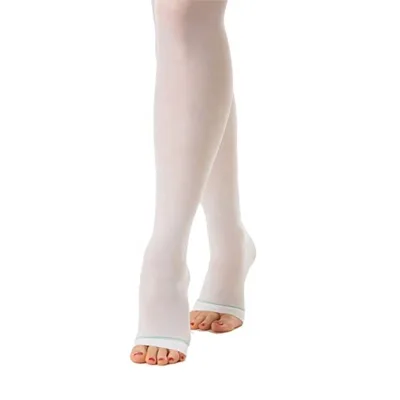
Comprehensive Sourcing Guide
Strategic Sourcing Guide for Anti-Embolism Breathable Body Stockings
The global demand for medical-grade compression garments has surged, driven by an aging population and increased awareness of venous health. Among these products, the anti-embolism breathable body stocking represents a critical category for both clinical and post-operative care. For B2B procurement professionals, sourcing these items requires a disciplined approach that balances technical performance, regulatory compliance, and supply chain reliability. This guide provides a comprehensive framework for evaluating suppliers and products based on verified market data and established industry standards, ensuring that procurement decisions are grounded in evidence rather than marketing claims.
Technical Specifications and Material Composition
Understanding the physical and functional attributes of anti-embolism stockings is the first step in defining procurement requirements. The core functionality of these garments relies on graduated compression, which applies specific pressure to the lower extremities to prevent blood clots. Based on observed market data, the standard pressure index for Class I compression stockings typically ranges from 13 to 18 mmHg. This range is sufficient for mild compression needs, such as improving blood circulation and preventing varicose veins, but it is distinct from higher medical-grade classes used for severe venous insufficiency. Buyers must verify that the supplier explicitly states the pressure index for each SKU, as variations exist between models.
Material composition plays a pivotal role in the comfort and efficacy of the product. The observed supply chain data indicates a prevalence of synthetic fibers, specifically Polyester and Nylon. These materials are selected for their durability, elasticity, and ability to maintain compression over time. A key attribute observed across multiple product listings is "High Elasticity," which ensures the garment conforms to various leg shapes without losing its structural integrity. Furthermore, the thickness of the fabric is a critical specification; listings distinguish between "Thin" and "Normal" thickness options. Thin variants are often preferred for breathability and summer wear, while normal thickness may offer enhanced durability for daily clinical use.
The physical dimensions and style of the stocking must align with the intended application. The market offers a variety of heights, including "Knee High," "Thigh High," and "Middle" length options. The style is frequently categorized as "Stockings" or "Tights/Pantyhose," with some models extending to "Tall" heights. For procurement, it is essential to match the height specification to the patient's needs; for instance, knee-high styles are common for post-surgical mobility, while thigh-high options may be required for more extensive venous coverage. Additionally, the product standard sizing typically follows a universal scale of S, M, L, XL, and 2XL, though some suppliers offer customized sizing to accommodate specific anatomical requirements.
Compliance and Certification Verification
In the medical device sector, regulatory compliance is non-negotiable. Anti-embolism stockings are classified as orthopedic devices and fall under the category of sport and health care products. Consequently, suppliers must provide robust documentation proving their adherence to international safety and quality standards. The most frequently cited certifications in the current market include FDA, CE, and ISO standards. Specifically, the ISO 13485 standard is the recognized quality management system for medical devices, ensuring that the manufacturing process consistently meets customer and regulatory requirements.
When evaluating a potential supplier, buyers should request proof of these certifications rather than accepting them as generic claims. The observed data lists "FDA ISO CE" and "ISOCE" as common certification markers, alongside "CE, FDA, ISO13485." It is crucial to distinguish between general product certifications and specific medical device clearances. For example, a product intended for patient use in a hospital setting must meet stricter regulatory thresholds than a general wellness product. Buyers should verify that the certification covers the specific product model, such as the HG-YJ0303 or HG-AE-2, as certifications are often model-specific.
Furthermore, the origin of the product is a significant factor in compliance. The majority of observed listings indicate a product origin of China. While this does not preclude quality, it necessitates a rigorous audit of the supplier's quality control processes to ensure they meet the destination country's import regulations. Buyers should also check for additional certifications like BSCI, which addresses social compliance in the supply chain, although this is less critical than medical device certifications. The presence of an "Excellent" quality rating in supplier profiles should be corroborated by third-party audit reports rather than self-assessed claims.
Cost Drivers and Pricing Dynamics
The pricing of anti-embolism breathable body stockings is influenced by several variables, including material costs, compression technology, and order volume. The observed price range in the market spans from $0.43 to $20.00 USD per unit. This wide disparity suggests that the lower end of the spectrum likely represents basic, non-medical grade products or bulk wholesale items, while the higher end reflects specialized medical devices with advanced features or certified compliance. Buyers must be cautious of prices that seem too low, as they may indicate a lack of necessary certifications or inferior material quality.
Minimum Order Quantity (MOQ) is another critical cost driver. The observed MOQ range varies significantly, from as low as 1 unit to as high as 2,400 units. This flexibility allows buyers to test the market with small orders or secure significant volume discounts for large-scale procurement. However, high MOQs can impact cash flow and inventory management. Suppliers often offer "Competitive" pricing structures that are contingent on order volume. To optimize costs, buyers should negotiate based on the total annual volume rather than single transactions. Additionally, the packaging method, such as "1 PC/OPP Bag" or bulk shipping, can influence the final landed cost.
Lead time is a hidden cost factor that affects procurement planning. The standard delivery time observed in the market is 20 to 30 days. This timeframe includes production, quality control, and shipping preparation. Buyers must factor in this lead time when managing inventory to avoid stockouts, especially for essential medical supplies. Shipping methods, including sea and air freight, also impact the overall cost and speed of delivery. For urgent orders, air freight may be necessary despite higher costs, while sea freight is more economical for bulk stock replenishment.
Typical Applications and User Profiles
Anti-embolism breathable body stockings serve diverse applications across different user groups. The primary function of these garments is to prevent deep vein thrombosis (DVT) and treat varicose veins. They are designed to improve blood circulation and provide support to the lower limbs. The target user base includes both "Sporters" and "Patients," indicating that these products are used in both athletic recovery and clinical settings. For patients, the operation of the garment is described as "Simple and Convenient," making it suitable for self-application in home care environments.
The specific application often dictates the required specifications. In a hospital setting, "Anti-Embolism Stocking" models are frequently used for post-operative patients who are bedridden or have limited mobility. The breathable and anti-bacterial features are particularly important in these scenarios to prevent skin infections and ensure comfort during prolonged wear. For athletes, the same features provide support during recovery or long periods of standing. The "Plain" pattern and "White" color are standard, as they are neutral and suitable for medical environments where hygiene and professionalism are paramount.
Supplier Evaluation and Quality Control
Selecting the right supplier requires a multi-faceted evaluation process. Buyers should prioritize suppliers who demonstrate transparency in their manufacturing processes and provide clear product documentation. The presence of specific product models, such as HG-YJ0303, HG-YJ0503, and HG-AE-2, indicates a structured product line rather than a generic reseller. When evaluating quality, buyers should look for evidence of "Excellent" quality ratings supported by test results or customer feedback. It is also vital to verify the "High Elasticity" and "Breathable" claims through independent testing or sample analysis.
Quality control measures should be integrated into the procurement contract. Suppliers must adhere to strict standards for material consistency, stitching quality, and compression accuracy. The "1 PC/OPP Bag" packaging suggests a focus on individual unit protection, which is essential for maintaining sterility and preventing damage during transit. Buyers should also assess the supplier's ability to handle custom orders, as the market data indicates that customization is available. This flexibility is crucial for meeting specific institutional requirements or unique patient needs.
Long-Term Procurement Considerations
Sourcing anti-embolism breathable body stockings is not a one-time transaction but a long-term strategic partnership. Buyers should consider the scalability of the supplier's production capacity to meet future demand. The ability to offer customized sizes and styles ensures that the supplier can adapt to changing market needs. Additionally, the "Competitive" pricing structure should be reviewed annually to ensure it remains aligned with market trends and raw material costs.
Sustainability is becoming an increasingly important factor in procurement. The observed "Eco-Friendly" feature in some product listings suggests a growing trend towards environmentally responsible manufacturing. Buyers should inquire about the sustainability of the materials used, such as the recycling potential of Nylon and Polyester, and the supplier's commitment to reducing their carbon footprint. Finally, maintaining a reliable supply chain requires clear communication channels and a shared understanding of quality standards. By establishing a robust framework for evaluation and continuous improvement, buyers can ensure a steady supply of high-quality anti-embolism stockings that meet the needs of their patients and customers.
Comparative Analysis of Product Attributes
To facilitate informed decision-making, the following table summarizes the key attributes observed in the market for anti-embolism breathable body stockings. This comparison highlights the variations in specifications that buyers should consider when selecting a supplier.
| Attribute | Common Observation | Procurement Consideration |
|---|---|---|
| Pressure Index | 13-18 mmHg (Class I) | Verify exact pressure for intended medical use. |
| Material | Polyester, Nylon | Check for durability and skin compatibility. |
| Elasticity | High Elasticity | Ensure consistent compression retention. |
| Height | Knee High, Thigh High, Middle | Match to patient anatomy and clinical need. |
| Certification | FDA, CE, ISO13485 | Request valid certificates for specific models. |
| MOQ | 1 - 2,400 Units | Negotiate based on volume and cash flow. |
| Lead Time | 20-30 Days | Plan inventory accordingly to avoid shortages. |
| Packaging | 1 PC/OPP Bag, Bulk | Assess protection and shipping efficiency. |
| Features | Breathable, Anti-Bacterial, Anti-slip | Prioritize for infection control and comfort. |
| Origin | China | Verify quality control processes for imports. |
By adhering to these guidelines and utilizing the provided data, procurement professionals can navigate the complex landscape of medical garment sourcing with confidence. The focus remains on evidence-based selection, ensuring that the final products deliver the promised health benefits while maintaining the highest standards of quality and compliance.
FAQs
What pressure index do these stockings provide?
These stockings provide a Class I pressure index ranging from 13 to 18 mmHg. This level is designed to improve blood circulation and treat varicose veins without being too tight for daily wear.
Which materials are used to make these stockings?
The stockings are primarily constructed from Polyester and Nylon. These synthetic fibers are selected for their high elasticity, durability, and ability to maintain consistent compression over time.
Can buyers request customized sizes for these products?
Yes, customization is available for these stockings to meet specific anatomical needs. Standard sizes include S, M, L, XL, and 2XL, but suppliers can produce custom dimensions upon request.
How long is the delivery time for these orders?
The standard delivery time for these orders is between 20 to 30 days. This timeframe covers production, quality control, and packaging preparation before shipment begins.
What certifications do these medical stockings hold?
These stockings hold FDA, CE, and ISO13485 certifications to ensure medical device compliance. Buyers should verify that the specific product model carries these valid certificates for safety.
Which styles are available for knee or thigh coverage?
Available styles include Knee High, Thigh High, and Middle length options. These variations allow buyers to select the appropriate coverage based on the patient's specific venous health requirements.